


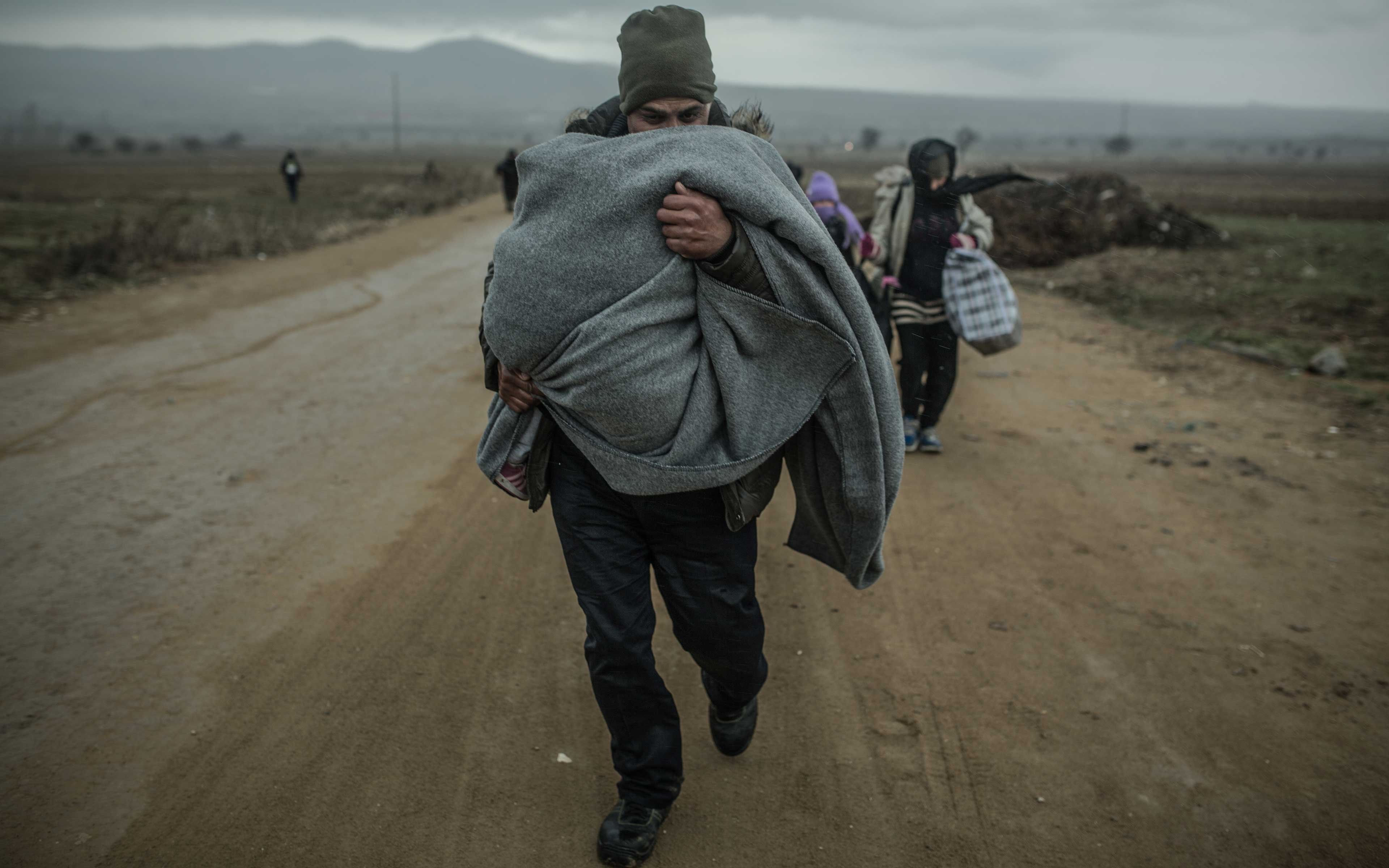
Annual report 2016
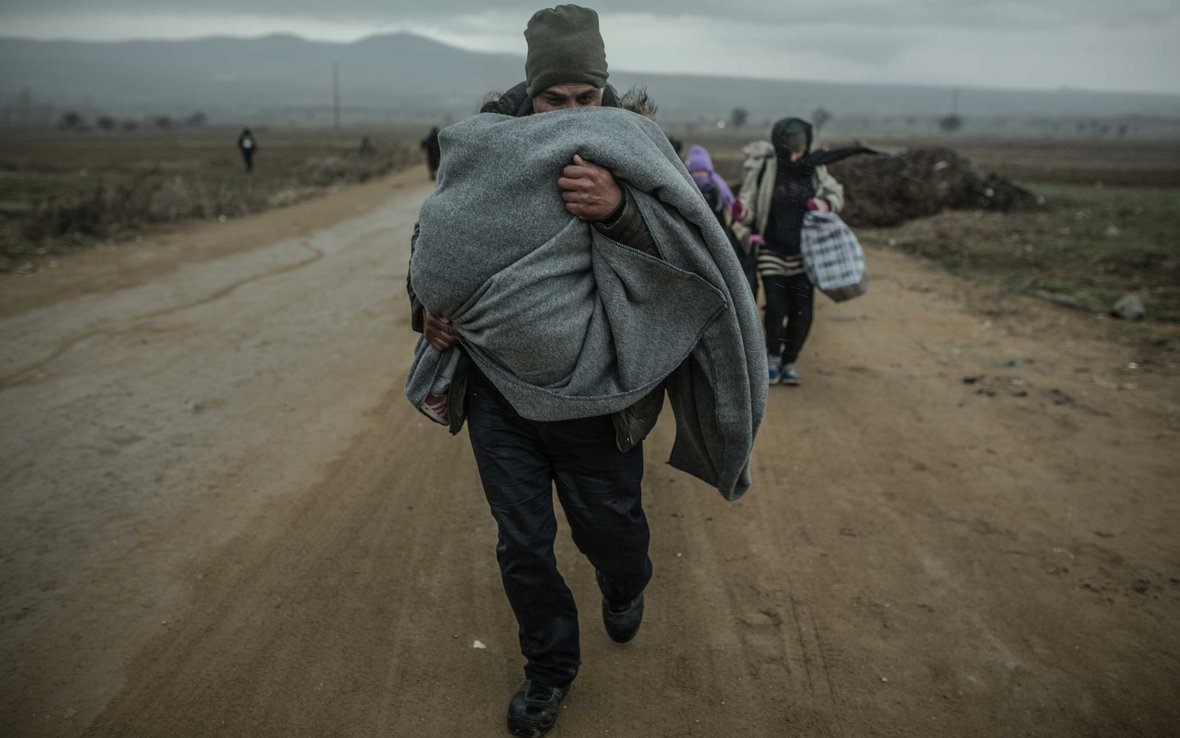

“Traditional global humanitarian responses to emergencies do not strengthen our communities or local organizations. They weaken us and make us dependent. Oxfam believes in building on local capacity. Instead of bringing in international staff to do things for us, they have taught us how to do the things ourselves.” - Karen Ramírez
Ramírez is the program manager for Oxfam partner PRO-VIDA and is a powerful voice for community water rights in El Salvador. Through advocacy, trainings, and coordination, she has helped boost the capacity of Salvadoran organizations and government agencies for humanitarian response and leadership.
Letter from our president and board chair
DEAR FRIENDS,
Oxfam America hit a significant milestone in fiscal year 2016: we recorded our highest dollar investment in program services in our history. The primary drivers for this increase were the devastating earthquakes in Nepal in April 2015 and our response to the tragic global refugee crisis. We are grateful for the generosity of our supporters in funding these and other crucial efforts.
Our record investment draws attention to an aspect of our work that we want to highlight for you. While Oxfam continues to respond to disasters around the world, in FY16 we intensified our efforts to change the international humanitarian system in fundamental ways. Each day we feel the system’s failings more deeply as climate-driven emergencies and armed conflicts stretch our resources beyond their limits. Meanwhile, local humanitarians are being overlooked and underfunded. Oxfam is on the leading edge of a movement to shift disaster assistance closer to home. Our vision: a world in which the international community supports local humanitarian leadership wherever and whenever possible.
By the close of FY16, Oxfam was ramping up its work to influence the first-ever World Humanitarian Summit—a UN-sponsored event in May 2016 aimed at improving the global humanitarian system. We published research, brought local leaders to the summit to make their voices heard, and made the case for change. The results from the summit: strong and unprecedented commitments from the global community to boost local humanitarian leadership.
Why do we want to call your attention to this one strand of our work? Because it is a reminder of the values that underpin all we do. Oxfam’s way is not to do things for local people, but to ensure that responsibility, decision making, and power lie where they should: in the hands of the people most affected by poverty and disasters. As Karen Ramírez reminds us, to do otherwise “weakens” communities and makes them “dependent.”
In a year as painful and turbulent as this one—on both the international and domestic fronts—we must not be distracted. We must not waver in our belief that reducing poverty and injustice is an achievable goal. Oxfam remains committed and inspired not only by individuals like Karen Ramírez, but by each of you.
Thank you.

Raymond C. Offenheiser
President
Joe Loughrey
Chair, Board of Directors
Our mission
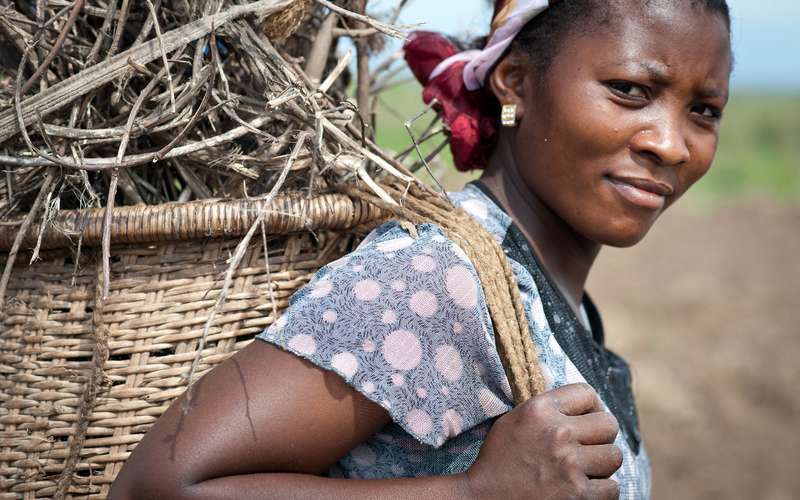
Oxfam is a global movement of people working together to end the injustice of poverty. With 70 years of experience in more than 90 countries, Oxfam takes on the big issues that keep people poor: inequality, discrimination, and unequal access to resources including food, water, and land. We help people save lives in disasters, build stronger futures for themselves, and hold the powerful accountable. Our mission is to create lasting solutions to poverty, hunger, and social injustice.
More about OxfamWhere we work
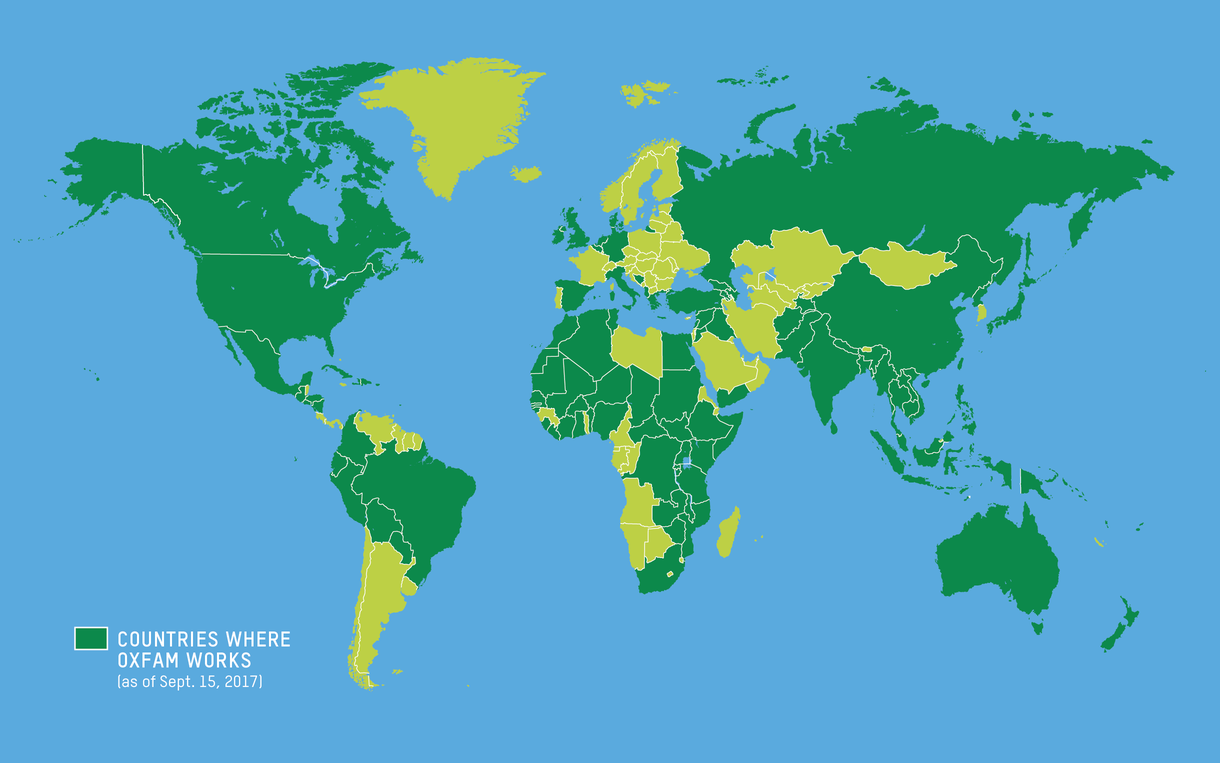
With more than 70 years of experience, working in more than 90 countries, we have a massive reach. Each year we reach tens of millions of people directly.
How we work
We believe poverty is wrong. Our approach to righting this wrong is to invest in the power of people to help them get what they need to exercise their rights. We encourage people to think differently about poverty—to recognize that we all have a vital role to play in its elimination.
Imagine that a drought strikes a poor area, triggering a food crisis.
With your support, Oxfam is able to get cash and food to people to weather the crisis. This aid may save lives, but we’ve only dealt with a symptom. How can we help prevent future disasters? We ask local people what they know. The elders tell us that their crops used to survive the dry season. The climate is more extreme, they tell us. So, we help them shift to drought-resistant crops and new farming techniques.
-
Now people have enough food.

Women tell us they wish their children could attend school. If families could grow more crops, they could sell their surplus for school fees. But it is hard to grow more, because women spend so much time carrying water by hand over long distances. So, we build an irrigation system and wells. Women grow more cash crops.
-
Now more kids attend school.

One day children begin to get sick. We learn that a refinery upstream is polluting the water on which the village relies. If people understand their rights, they can hold officials accountable. So, we fund local partners to teach people about these rights and train village residents to test their water. They bring proof of contamination to the company. When officials won’t listen, the people ask their government to make the company clean up the toxic waste.
-
Now local people speak out.

Their persistence pays off: the government closes the refinery until it agrees to address the pollution. But it turns out that the refinery is part of a bigger US company that sues the local government for closing the refinery. That’s when Oxfam reaches out to you—the people who gave to help with that food crisis long ago—and asks you to contact the company and hold it accountable. And you do.
-
Finally the company backs down.

As an organization, Oxfam’s role ranges from providing simple support in an emergency to campaigning for social justice. We use different approaches as situations demand.
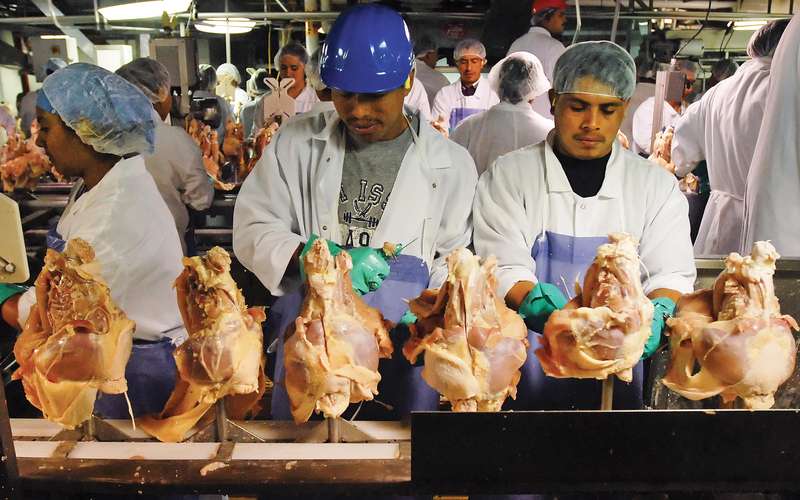
Tackling world hunger by reforming the food system
Despite recent gains, the global food system remains broken. So, in FY16, Oxfam pushed for greater investment in small farmers as well as for climate reform, fairer food labor practices, and farmer education and outreach.
See our work in action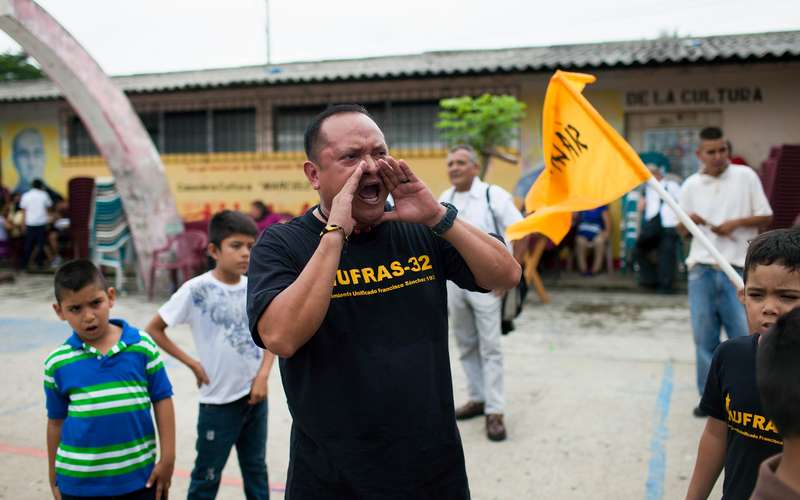
Empowering citizens to hold their governments accountable
Based on Oxfam’s fundamental belief in the power of people to overcome poverty, we support citizens’ efforts to hold their governments accountable. In FY16, Oxfam continued to build on our proven ability to foster citizens’ engagement with governments to make advances in the fight against poverty.
See our work in action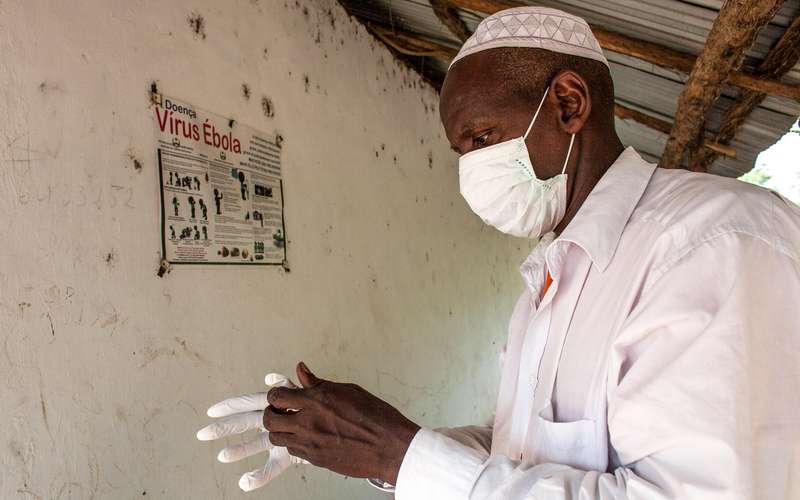
Saving lives by changing the nature of emergency response
Oxfam and our partners are at the forefront of a growing movement to “localize” disaster aid. Our goal: locally led disaster aid that is quicker, more efficient, more sustainable, and more empowering to disaster-affected communities.
See our work in action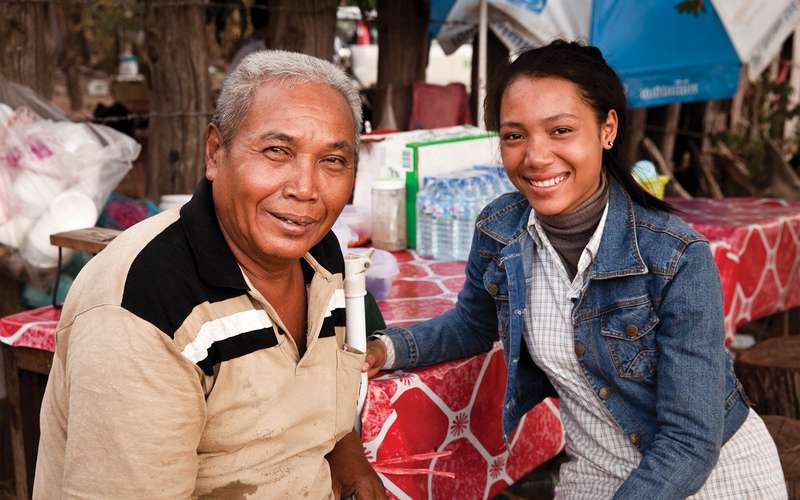
Ensuring women’s inclusion & leadership
Women’s ability to advance depends on their ability to participate fully in the political, social, and economic aspects of their countries and to live without fear of violence. In FY16, Oxfam continued to champion the rights of women.
See our work in actionOxfam's impact: Doing good well

Oxfam must be accountable not only to our donors, but also to the individuals and communities at the center of our programs.
It’s great when we get it all right from the start, but some of our most effective work emerges from trial and error. Using data, thoughtful analysis, and consultation with a range of people—from community members to government officials—a problem can be a valuable opportunity to adjust our approach for greater impact.
All of our long-term programs, major campaigns, and key innovation projects have a rigorous monitoring, evaluation, and learning system. Most include:
- A baseline or assessment of the situation prior to intervention
- A monitoring tool with quarterly or midterm reports documenting progress against plans
- Annual (or quarterly) reviews that document aggregate evidence and bring stakeholders into reflection on progress
- An external evaluation every three to four years (or when an initiative finishes)
Financial information
(April 1, 2015, to March 31, 2016)
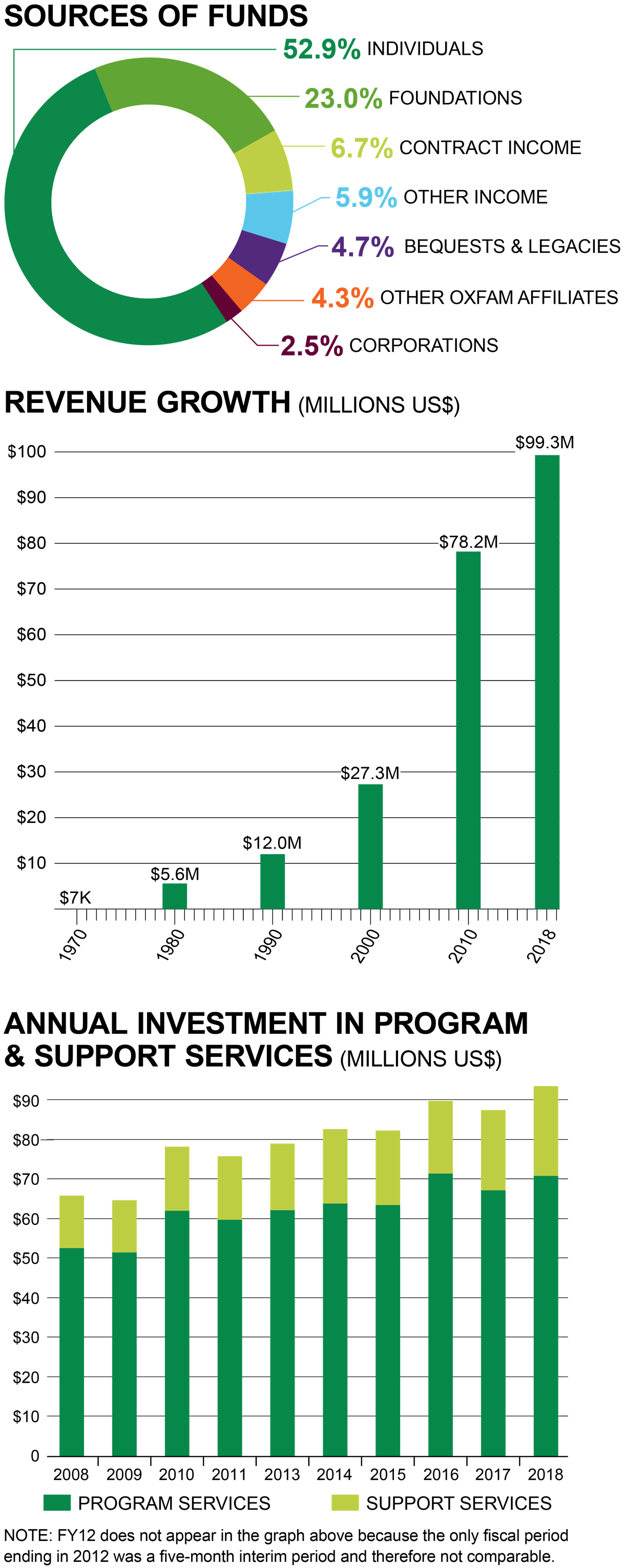
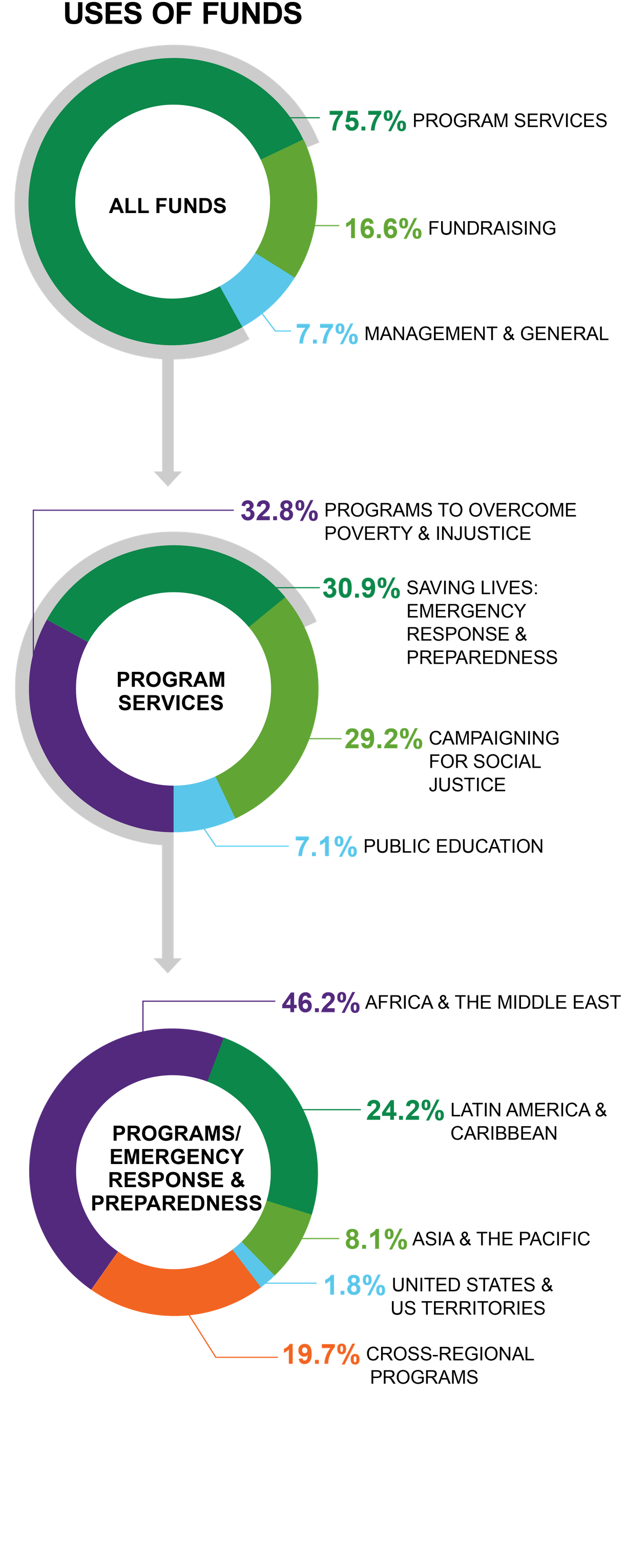
FY16 marked an important milestone for Oxfam America. We recorded our highest dollar investment in program services in the history of the organization, reaching $71.4 million—a rise of 13 percent over FY15. This increase was due primarily to a 41 percent rise in our funding for emergency response and preparedness efforts ($24 million as compared to $17 million in FY15). This increase was triggered by the devastating Nepal earthquakes in April 2015 (Oxfam America relief funding of $6.2 million) and by our response to the global refugee crisis ($1.8 million). We also prioritized campaigning for social justice, spending $16.8 million (a 14 percent increase over FY15) with a focus on initiatives to improve the effectiveness of foreign aid from G20 countries.
Top rated charity

Our leadership
Oxfam America is governed by a board of directors, advised by a leadership council, and managed by a senior executive leadership team.
Board of directors Leadership councilThank you
The many generous donors who support us year in and year out are crucial to our work righting the wrongs of poverty, hunger, and injustice.
We owe tremendous thanks to our friends listed on the pages in the PDF below and to the tens of thousands of you who support our work around the world. You provide the support that empowers people living in poverty to improve their lives.
Spread the word
Help us build a global movement for change.